DOT Out of Service: Faults That Freeze a Running Truck
What a DOT out-of-service order means, who declares one, which faults trigger it on a truck that runs fine, and the repair-and-certify path back into service.
Read itThis is page 2 of the Titan Tow & Repair blog, listing older posts newest first: roadside truck and trailer repair, heavy-duty towing and recovery, tires, costs and winter breakdowns across Kansas City, northwest Missouri and northeast Kansas. The most recent posts are on the first page.
What a DOT out-of-service order means, who declares one, which faults trigger it on a truck that runs fine, and the repair-and-certify path back into service.
Read it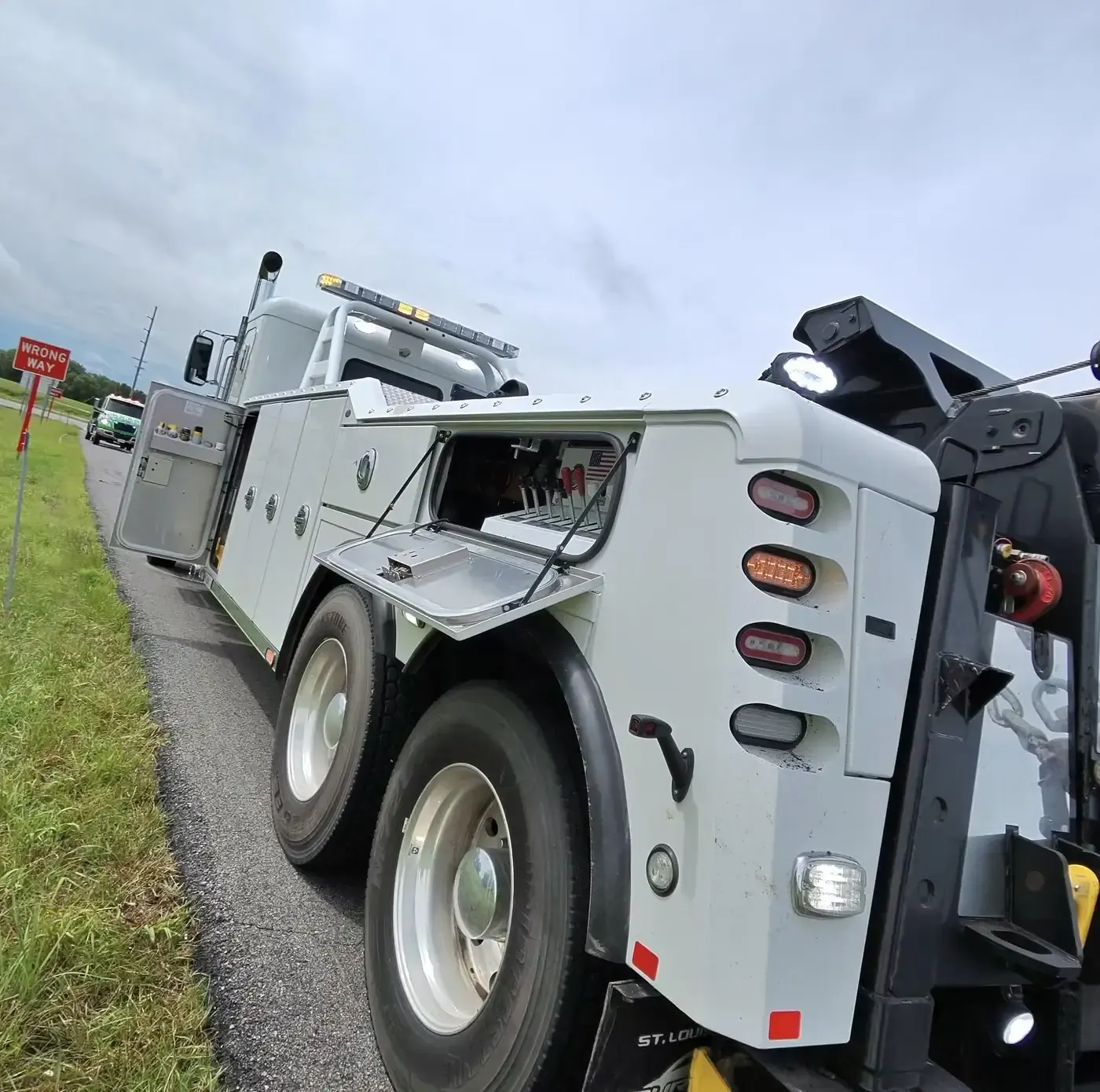
The walk-around, the drive shaft, the air lines and the lift: what a heavy wrecker operator actually does before a semi moves an inch.
Read it
What to do when a reefer stops cooling: work the temperature clock, read the alarm, check fuel first, know who fixes what, and keep the records that matter.
Read it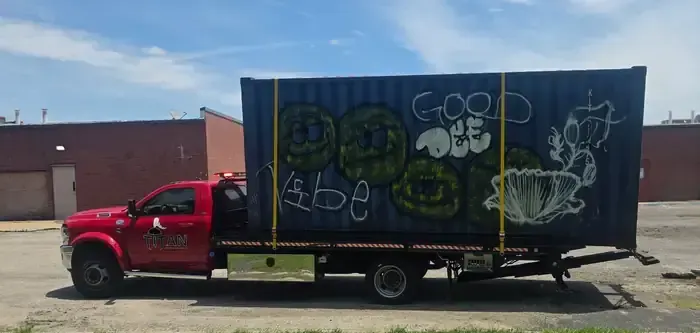
The three ways freight keeps moving after a breakdown — tow the combination, swap the tractor or hold the trailer — who decides, and what the paperwork needs.
Read it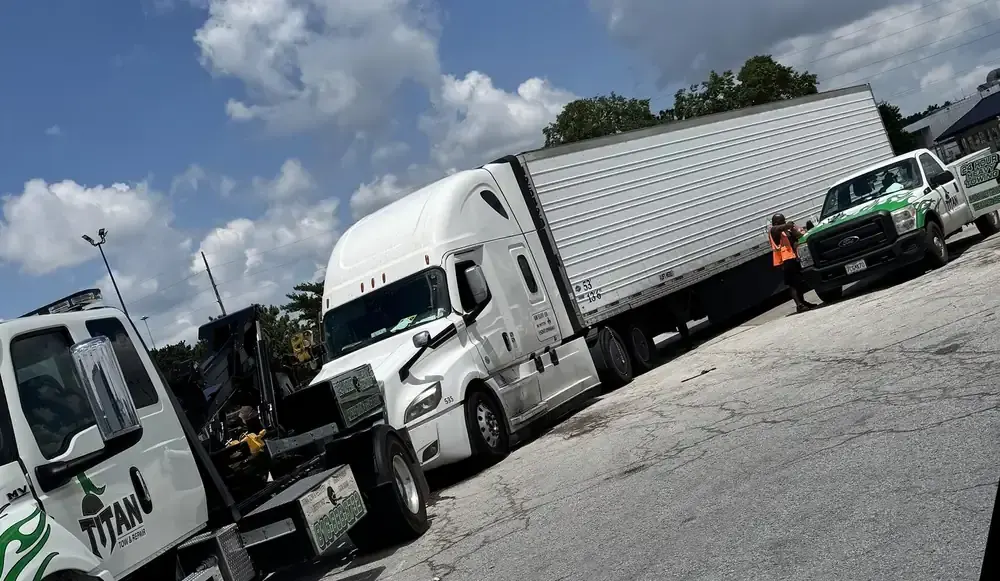
Who normally pays a breakdown bill for a company driver, an owner-operator, a leased-on truck, a rental or a warranty unit — and who authorizes the work.
Read it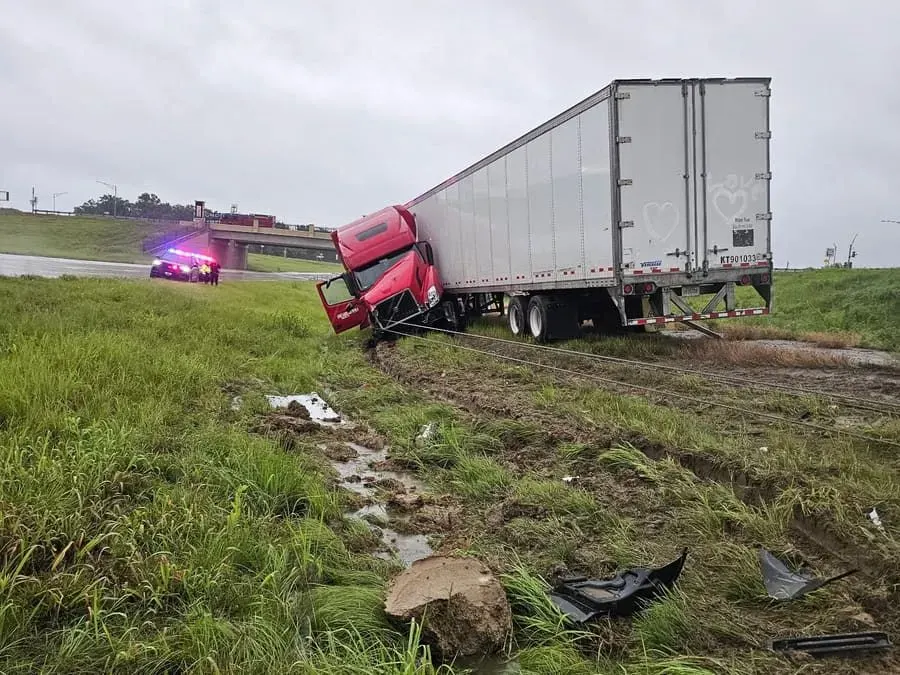
What you are really paying for in a recovery — assessment, rigging, equipment class, operators and scene time — and what the invoice should itemize.
Read itWhy diesel gels, how a plugged filter and frozen water differ from it, how air systems freeze, what a driver can safely do, and what never to try near fuel.
Read itWhat a climbing coolant gauge is telling you, how to shut a hot diesel down safely, why you never open the system hot, and which faults are fixed roadside.
Read itWhy spinning a drive axle buries a loaded truck deeper, what a winch-out actually involves, and what to tell dispatch so the right rigging comes out.
Read itHow to tell a battery from a connection, a starter or a fuel problem on a semi, how to jump a truck safely, and what a mobile call fixes on the spot.
Read itWhy a modern semi derates itself, the difference between a torque, speed and 5 mph derate, which faults clear at the roadside, and when it has to see a shop.
Read itSteer, drive and trailer blowouts are different problems. What to do in the first seconds, what a blowout takes with it, and when it is a roadside tire call.
Read itWhere air leaks actually happen on a semi, what the gauges are telling you, which faults a service truck fixes on the shoulder, and which ones need a shop.
Read it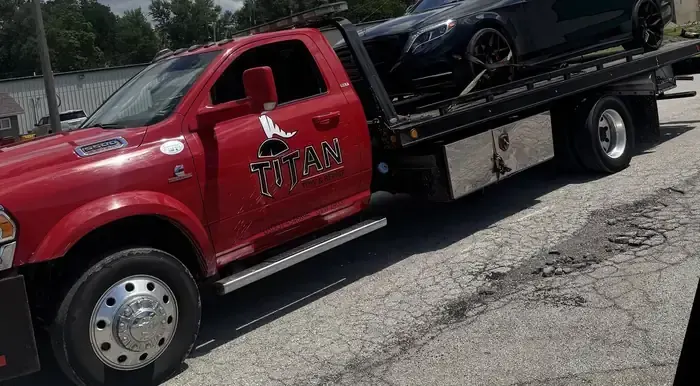
All-wheel drive, electric cars and low front ends often have to go on a flatbed. What the difference is, and why the wrong choice can cost you a drivetrain.
Read itWhat decides semi truck towing cost: why heavy-duty tows are quoted per job, every factor that moves the bill, and what to ask before you agree.
Read itWhat to verify before a breakdown — insurance, recovery certification, owned equipment and real dispatch — plus the warning signs of a predatory operator.
Read itThe order to work in when a commercial vehicle stops on an interstate shoulder in Missouri or Kansas — flashers, triangles, where to wait, then the call.
Read itA winch-out and a full recovery are different jobs with different equipment and different costs. Here is how to tell which one you are looking at.
Read it